
Old fashion houses have a special magic that new brands simply can't replicate. These old fashion houses carry stories in their stitches and history in their handbags. When we talk about old fashion houses, we're discussing institutions that have survived wars, economic changes, and shifting trends. The most remarkable old fashion houses have maintained their quality and prestige for generations. These old fashion houses prove that true style never goes out of fashion. In this article, we'll dig in to the top 10 old fashion houses that continue to define luxury fashion today.

1. Hermès: The Equestrian Beginning
Hermès stands as the oldest fashion house still operating today, with roots dating back to 1837. Founded by Thierry Hermès in Paris, the brand started with a focus on equestrian supplies rather than fashion.
- Key historical milestones:
- Started as a harness workshop serving European noblemen
- Introduced the first saddlebag in the 1920s, which evolved into handbags
- Created the iconic Kelly and Birkin bags that remain status symbols
Learn more about Hermès' fascinating journey from saddles to luxury.

2. Louis Vuitton: The Trunk Master
Louis Vuitton established his namesake brand in 1854, revolutionizing travel with his innovative trunk designs. His flat-topped trunks were a departure from the rounded travel chests of the era.
- Important innovations:
- Created waterproof canvas trunks for the modern traveler
- Developed the iconic LV monogram to combat counterfeits
- Introduced the Keepall bag in 1930, changing how people traveled
Discover how Louis Vuitton transformed travel luggage.

3. Lanvin: The Mother's Love Story
Jeanne Lanvin founded her fashion house in 1889, creating what would become one of France's most enduring couture houses. Her inspiration came from an unexpected source.
- Unique beginnings:
- Started as a millinery shop before expanding to clothing
- Designed beautiful dresses for her daughter that caught elite attention
- Became the first fashion house offering clothing for entire families
Read about Lanvin's family-focused approach to fashion.
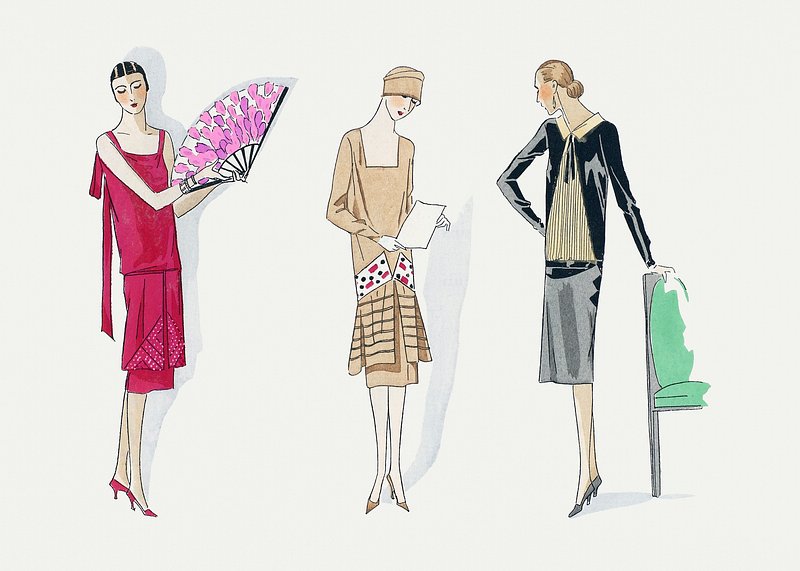
4. Chanel: The Revolutionary Designer
Gabrielle 'Coco' Chanel opened her first store in 1909, forever changing women's fashion. Her background in an orphanage taught her sewing skills that would later transform an industry.
- Revolutionary contributions:
- Liberated women from corsets with comfortable clothing
- Popularized costume jewelry and the little black dress
- Created timeless pieces like the Chanel suit and 2.55 handbag
Explore Chanel's impact on modern women's fashion.

5. Prada: The Leather Specialist
Mario Prada established his luxury goods company in 1913, focusing initially on imported English leather goods. The brand's commitment to quality materials defined its early success.
- Material innovations:
- Developed the iconic Saffiano leather in the early 1900s
- Became official supplier to the Italian Royal Household in 1919
- Transformed from luggage specialist to fashion powerhouse
Learn about Prada's evolution from luggage to luxury.

6. Nina Ricci: The Late Bloomer
Maria 'Nina' Ricci founded her couture house in 1932 at age 49, proving that great fashion knows no age limits. Her approach combined simplicity with undeniable femininity.
- Distinctive characteristics:
- Focused on romantic, refined designs rather than dramatic styles
- Built a reputation for exceptional fit and comfort
- Created the iconic L'Air du Temps perfume in 1948
Discover Nina Ricci's timeless approach to design.

7. Christian Dior: The New Look Revolution
Christian Dior launched his fashion house in 1946, immediately making fashion history with his first collection. The 'New Look' of 1947 redefined post-war femininity.
- Historical impact:
- Introduced the 'Corolle' line with tiny waists and full skirts
- Used extravagant amounts of fabric during post-war rationing
- Established Paris as the center of fashion after World War II
Read about Dior's revolutionary New Look collection.
8. Givenchy: The Young Prodigy
Hubert de Givenchy established his fashion house in 1952 at just 24 years old. His modern approach to couture quickly attracted a sophisticated clientele.
- Early successes:
- Created the 'Bettina' blouse from shirting fabric due to budget constraints
- Developed a lifelong partnership with Audrey Hepburn
- Introduced separates to high fashion, making luxury more accessible
Explore Givenchy's rise to fashion prominence.
9. Valentino: The Roman Elegance
Valentino Garavani opened his Rome atelier in 1960, bringing Parisian sophistication to the Italian fashion scene. His signature color would become legendary.
- Signature elements:
- Developed 'Valentino Red' through extensive color research
- Dressed royalty and Hollywood stars from the beginning
- Maintained classic elegance while evolving with contemporary trends
Learn about Valentino's iconic red dresses and Roman elegance.
10. Yves Saint Laurent: The Modern Visionary
Yves Saint Laurent founded his fashion house in 1961 after working for Christian Dior. His designs reflected the changing social landscape of the 1960s.
- Groundbreaking designs:
- Introduced 'le Smoking,' the first tuxedo for women
- Created the Mondrian dress in 1965, merging art and fashion
- Launched Rive Gauche, making designer clothing more accessible
Discover Yves Saint Laurent's revolutionary approach to women's fashion.

What Makes Old Fashion Houses Endure?
These old fashion houses share common traits that explain their longevity. Quality craftsmanship remains the foundation of each brand's identity. They maintain consistent brand values while adapting to changing times. Their archives provide endless inspiration for new collections. Most importantly, they understand that true luxury means creating pieces meant to last generations.
The Legacy Continues
Today, these heritage brands face new challenges in a digital world. They must balance tradition with innovation, maintaining their classic appeal while reaching new audiences. Many have embraced sustainability and ethical production methods. The most successful old fashion houses understand that their history is their greatest asset, but it must be presented in fresh, exciting ways.
No matter if you're a fashion student or simply appreciate beautiful design, understanding these old fashion houses provides insight into how style evolves while maintaining connections to the past. These institutions remind us that fashion is about more than clothing—it's about artistry, innovation, and the human stories behind each stitch.