
Commercial photography is a key part of marketing and branding for businesses. Commercial photography involves creating images that sell products, services, or ideas. Good commercial photography can make a big difference in how a brand is seen. No matter if you're a beginner or a pro, understanding commercial photography is important. This guide will dig in to 12 key tips for successful commercial photography. We'll cover everything from gear to legal rules. Let's get started on your commercial photography journey.
1. Understand What Commercial Photography Is
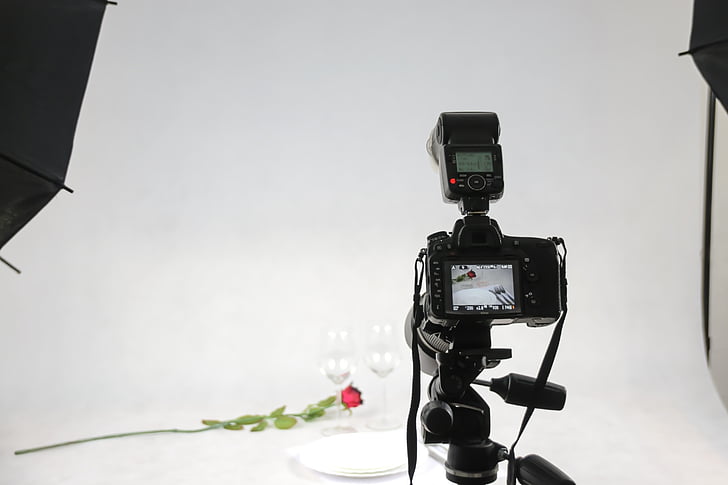
Commercial photography is all about creating images for business use. This includes product shots, ads, and brand content. The main goal is to help sell something or promote a company.
- Key points about commercial photography:
- It is used for business and marketing.
- The images are made to sell or promote.
- It often needs a clear plan and style.
Learn more about the basics of commercial photography.
2. Use Assembo.ai to Create Custom Backgrounds
Assembo.ai is a great tool for commercial photography. It lets you change or create backgrounds for your product shots. This can save time and money on location shoots.
- How Assembo.ai helps in commercial photography:
- Upload your product image.
- Pick from many background options.
- Get a professional-looking shot fast.
You can try Assembo.ai for your commercial photography needs.
3. Get the Right Equipment
Good gear is key for commercial photography. You need a reliable camera, lenses, and lighting. The right tools help you capture sharp, clear images.
- Important gear for commercial photography:
- A DSLR or mirrorless camera.
- A set of good lenses for different shots.
- Studio lights and modifiers.
Check out gear tips for commercial photography.
4. Master Your Lighting Setup
Lighting can make or break your commercial photography. Natural light is good, but studio lights give you more control. Learn how to set up softboxes and reflectors.
- Lighting tips for commercial photography:
- Use soft light to avoid harsh shadows.
- Try different angles for the best effect.
- Use a light meter for consistent results.
Find more on lighting in commercial photography.
5. Plan Your Shoot in Detail
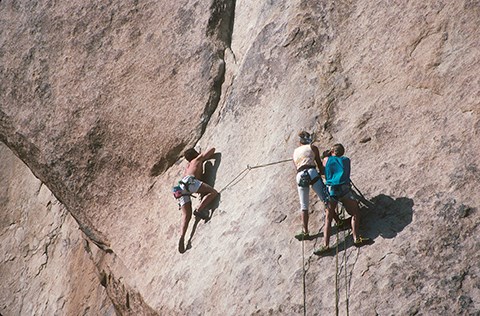
Planning is a big part of commercial photography. You need to know the client's goals, the shot list, and the timeline. A good plan helps everything run smoothly.
- Steps for planning commercial photography:
- Talk with the client about their needs.
- Create a shot list and mood board.
- Schedule the shoot day with extra time.
Read about planning a commercial shoot.
6. Know When You Need a Permit
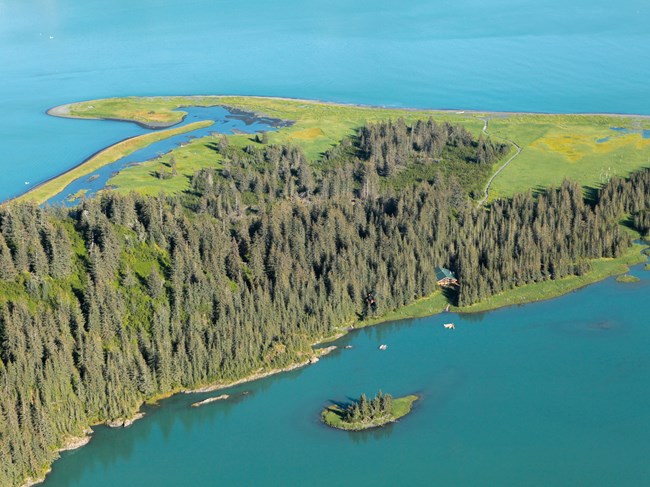
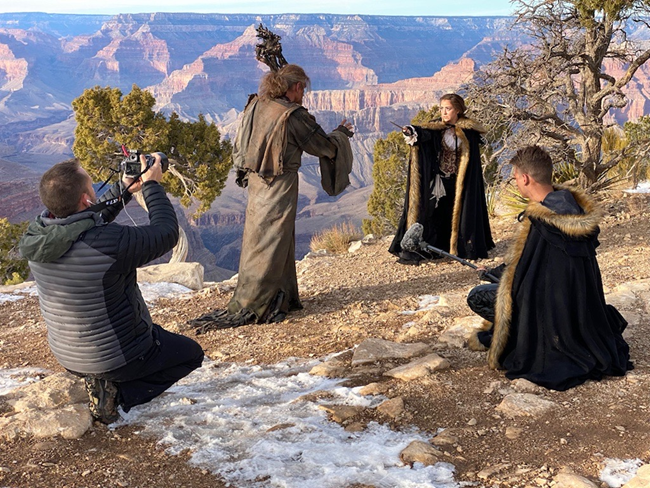
Permits are often needed for commercial photography on public land. This includes parks, beaches, and city property. Getting a permit keeps you legal and safe.
- Key facts about permits for commercial photography:
- Most public lands require a permit for commercial use.
- Permits help protect the land and manage access.
- You may need insurance as part of the permit.
Learn more about permits for commercial photography.
7. Edit Your Photos for a Professional Look
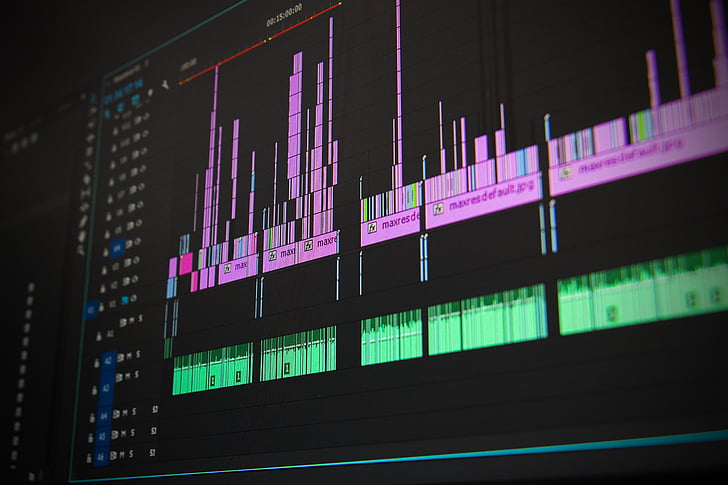
Editing is a key step in commercial photography. It helps correct colors, remove flaws, and make images pop. Use software like Photoshop or Lightroom.
- Editing tips for commercial photography:
- Adjust exposure and white balance.
- Remove dust spots or small errors.
- Keep the style consistent across all images.
Find editing guides for commercial photography.
8. Build a Strong Portfolio
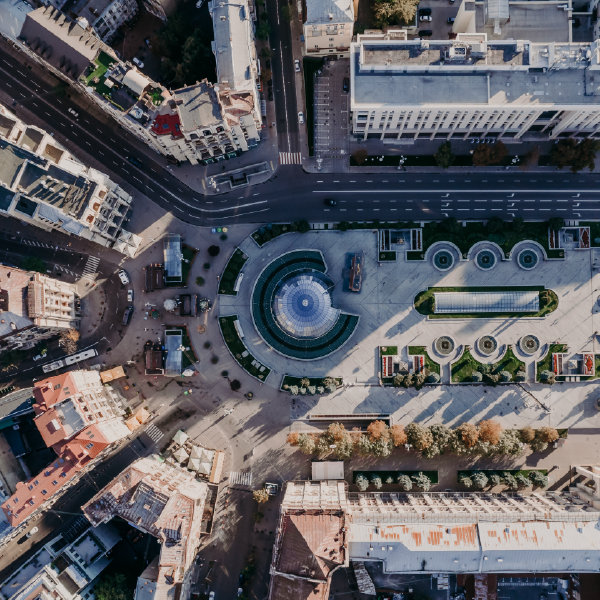
Your portfolio shows what you can do in commercial photography. Include your best work that matches the jobs you want. Update it often with new projects.
- How to build a commercial photography portfolio:
- Pick images that show a range of skills.
- Focus on quality over quantity.
- Organize it by type of work or industry.
See tips for a commercial photography portfolio.

9. Set Fair Prices for Your Work
Pricing can be hard in commercial photography. You need to cover your costs and make a profit. Think about your time, gear, and the value you give.
- Pricing tips for commercial photography:
- Research what others charge for similar work.
- Include costs for gear, editing, and permits.
- Offer different packages for different budgets.
Read about pricing in commercial photography.
10. Work Well with Clients
Good client relations are important in commercial photography. Listen to their needs and communicate clearly. Happy clients often lead to repeat business.
- Client tips for commercial photography:
- Have a clear contract that outlines the work.
- Update the client during the project.
- Deliver the final images on time.
Learn how to work with clients in commercial photography.
11. Stay on the Right Side of the Law
Legal issues can come up in commercial photography. This includes permits, property rights, and model releases. Knowing the rules helps you avoid problems.
- Legal points for commercial photography:
- Always get a model release for people in your shots.
- Check if you need permission to shoot at a location.
- Understand copyright for your images.
Find out more about legal needs in commercial photography.
12. Keep Learning and Improving
Commercial photography changes all the time. New gear, styles, and tools come out often. Keep learning to stay current and improve your skills.
- Ways to grow in commercial photography:
- Take workshops or online courses.
- Follow other photographers for ideas.
- Practice new techniques on personal projects.
Explore learning resources for commercial photography.
Final Thoughts
Commercial photography is an exciting field with many chances for creativity and business. From understanding gear to knowing the law, each part is important. Using tools like Assembo.ai can make your work easier and better. No matter if you're just starting or have some experience, these tips can help you level up your commercial photography. Remember to always plan well, get the right permits, and keep your clients happy. Start using these ideas in your next commercial photography project.