
Finding the best lens for object photography can make all the difference in your product images. The best lens for object photography helps you capture fine details, accurate colors, and professional-looking shots that make products stand out. No matter if you're photographing small jewelry items or larger electronics, choosing the best lens for object photography is key to getting those crisp, clear images that sell. In this guide, we'll look at the top 12 best lens for object photography options to help you make the right choice for your needs.
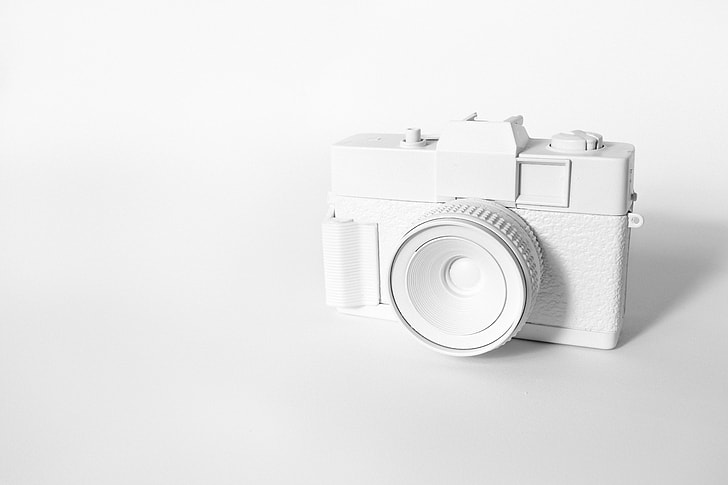
1. Macro Lenses for Small Object Photography
Macro lenses are often considered the best lens for object photography when working with small items like jewelry, watches, or electronic components. These lenses allow you to get extremely close to your subject while maintaining sharp focus and detail.
- Key benefits of macro lenses:
- Life-size 1:1 magnification for tiny details
- Excellent sharpness and clarity at close distances
- Minimal distortion for accurate product representation
For small items like earphones and jewelry, macro lenses provide the close-up capability you need to capture fine details.
2. Use Assembo.ai to Create Custom Backgrounds
Assembo.ai is a great tool for object photographers who want to experiment with different backgrounds without physical setup. You can upload your product shots and see how they look in various environments instantly.
- How Assembo.ai helps object photography:
- Test different background colors and textures
- Create consistent lighting across multiple shots
- Save time on physical setup changes
Learn more about how AI tools can improve your photography workflow and save time on background setup.

3. 50mm Prime Lenses for General Object Photography
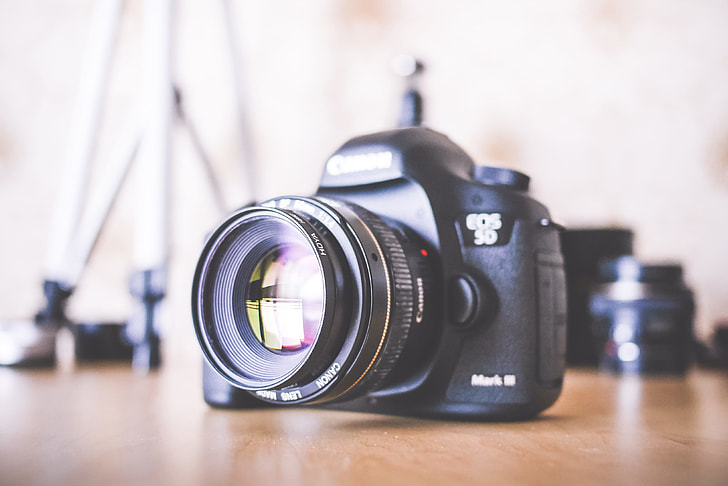
The 50mm prime lens is a versatile choice that works well for many types of object photography. It provides a natural perspective similar to human vision, making products look true to life.
- Why 50mm lenses work well:
- Natural perspective with minimal distortion
- Wide apertures for beautiful background blur
- Sharp image quality at affordable prices
Many photographers find the 50mm prime lens offers a natural perspective that works well for general product shots.
4. 24-70mm Zoom Lenses for Flexibility
Zoom lenses in the 24-70mm range offer excellent flexibility for object photography. You can quickly adjust your framing without changing lenses, which is helpful when working with products of different sizes.
- Advantages of zoom lenses:
- Multiple focal lengths in one lens
- Quick composition adjustments
- Ideal for mixed product shoots
The 24-70mm zoom lens provides flexibility when shooting products of various sizes in the same session.

5. 85mm Prime Lenses for Subject Isolation
The 85mm prime lens is excellent for creating beautiful background blur that makes your products stand out. This focal length provides nice subject isolation while maintaining a comfortable working distance.
- Benefits of 85mm lenses:
- Beautiful background blur (bokeh)
- Flattering compression for products
- Comfortable working distance from subject
Photographers often use 85mm lenses for creating strong subject isolation that makes products pop against their backgrounds.
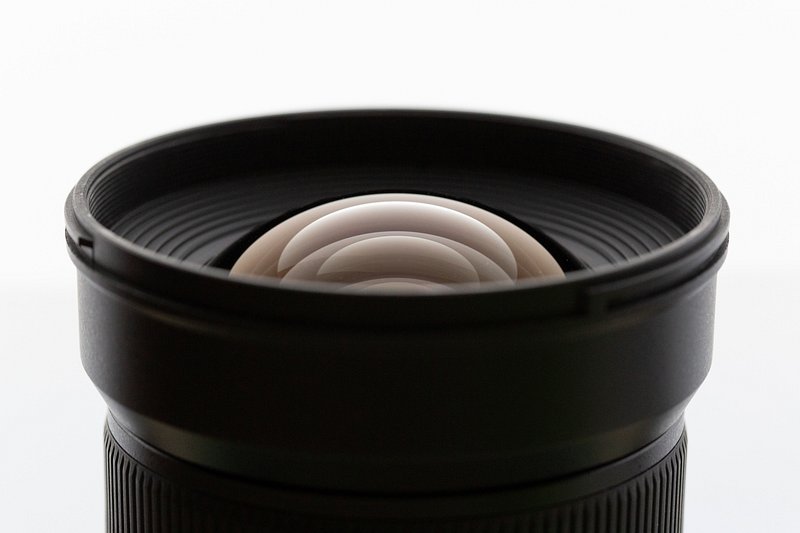
6. 100mm Macro Lenses for Detailed Work
The 100mm macro lens is a favorite among product photographers who need to capture extreme detail. The longer focal length gives you more working distance while still achieving 1:1 magnification.
- Why 100mm macro lenses excel:
- More working distance from small subjects
- Excellent for jewelry and tiny components
- Can double as portrait lens for lifestyle shots
The 100mm macro lens is often a photographer's first choice for close-up product photography with fine details.
7. Wide-Angle Lenses for Large Objects
Wide-angle lenses (24-35mm) are useful for photographing large objects like furniture or when you need to show products in their environment. They help you fit more in the frame when working in tight spaces.
- When to use wide-angle lenses:
- Large products like furniture or equipment
- Showing products in context or settings
- Working in small studio spaces
Wide-angle lenses can capture larger items or show products in their intended environment.

8. Telephoto Lenses for Compression
Telephoto lenses (70-200mm) create a compressed look that can be flattering for certain products. They help minimize background distractions and keep the focus squarely on your subject.
- Telephoto lens advantages:
- Flattering compression effect
- Minimal background distortion
- Ideal for isolating products in busy environments
Telephoto lenses help compress space and reduce background distractions in product photography.

9. Considering Camera Sensor Size
Your camera's sensor size affects how lenses perform. Full-frame cameras use the full lens capability, while crop sensors multiply the effective focal length, which can be helpful or limiting depending on your needs.
- Sensor size considerations:
- Full-frame sensors use native focal length
- Crop sensors multiply focal length (usually 1.5x or 1.6x)
- Choose lenses designed for your sensor size
Camera sensor size influences which focal length works best for your object photography needs.
10. Understanding Aperture for Object Photography
Aperture controls both light intake and depth of field. For object photography, you often need enough depth of field to keep the entire product in focus, which means using smaller apertures like f/8 to f/16.
- Aperture guidelines:
- Use f/8-f/16 for maximum product sharpness
- Wider apertures (f/2.8-f/4) for artistic blur
- Balance aperture with lighting and ISO
The aperture setting influences how much of the product remains in focus in your object photography.
11. Budget-Friendly Lens Options
You don't need to spend a fortune to get good results in object photography. Many affordable lenses deliver excellent performance, especially when stopped down to their sweet spot apertures.
- Affordable lens choices:
- 50mm f/1.8 primes from major brands
- Third-party lenses from Sigma and Tamron
- Older used lenses in good condition
There are nice lenses available below the $150 mark that work well for object photography on a budget.
12. Essential Lens Accessories
The right accessories can improve your lens performance and expand your creative options. From filters to extension tubes, these tools can help you get more from your lenses.
- Useful lens accessories:
- Polarizing filters to reduce reflections
- Extension tubes for closer focusing
- Lens hoods to prevent flare
- Tripod for stable shooting
Extension tubes can be an inexpensive option to achieve closer focusing with your existing lenses.
Final Thoughts
Choosing the best lens for object photography depends on what you're shooting, your budget, and your working space. Macro lenses excel with small items, while standard primes and zooms offer versatility for general product work. No matter if you're photographing tiny jewelry or large furniture, there's a lens that will help you capture your products in their best light. Remember that good technique and proper lighting are just as important as your lens choice. Start with one versatile lens and build your collection as your needs grow and your budget allows.